


Kids Go Kart Battery Running Low: End the Session Without Improvised Charging
Kids go kart battery running low is a reason to finish the activity through the model’s instructions, not stretch the last lap until movement becomes unreliable. Plan a nearby stopping and parking area before driving begins. The actual battery, display and care guidance determine the next adult task. A voltage label alone cannot tell you how much driving time remains.
Identify kids go kart battery running low signs correctly
Read the delivered manual for any approved display meaning or low-battery warning. A dim light, sound or change in movement can have more than one cause, so do not diagnose battery state from a single symptom. Stop for unexpected behavior. Record what happened and the exact configuration for support rather than asking the child to keep driving to confirm a theory.
Finish before the route creates another problem
Keep the play area close to a suitable stationary end point, with an adult managing the finish. Do not use an incline, road crossing or narrow passage as the final return challenge. Follow the actual stopping, power-off and handling procedure. If the kart cannot be moved normally, use the prescribed adult handling guidance; do not improvise towing, push it from an accessory or open an electrical compartment during play.
Keep the 12V and 24V care plans distinct
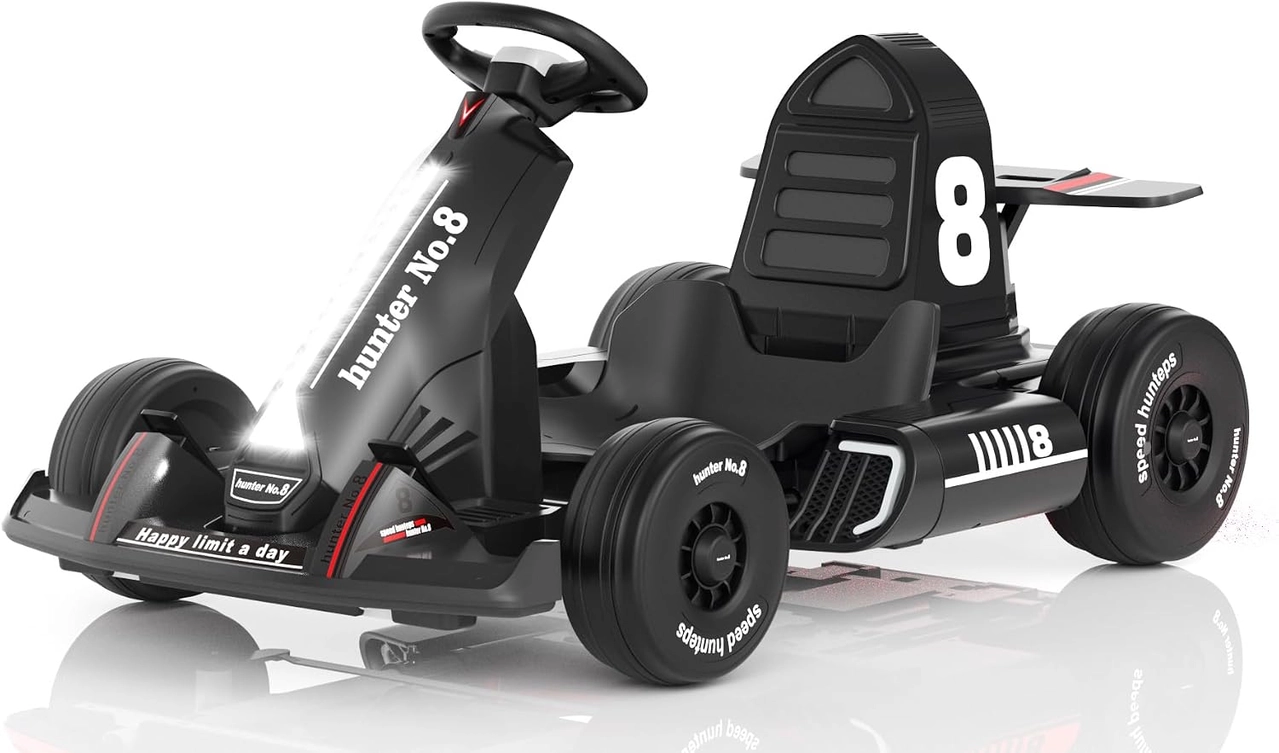
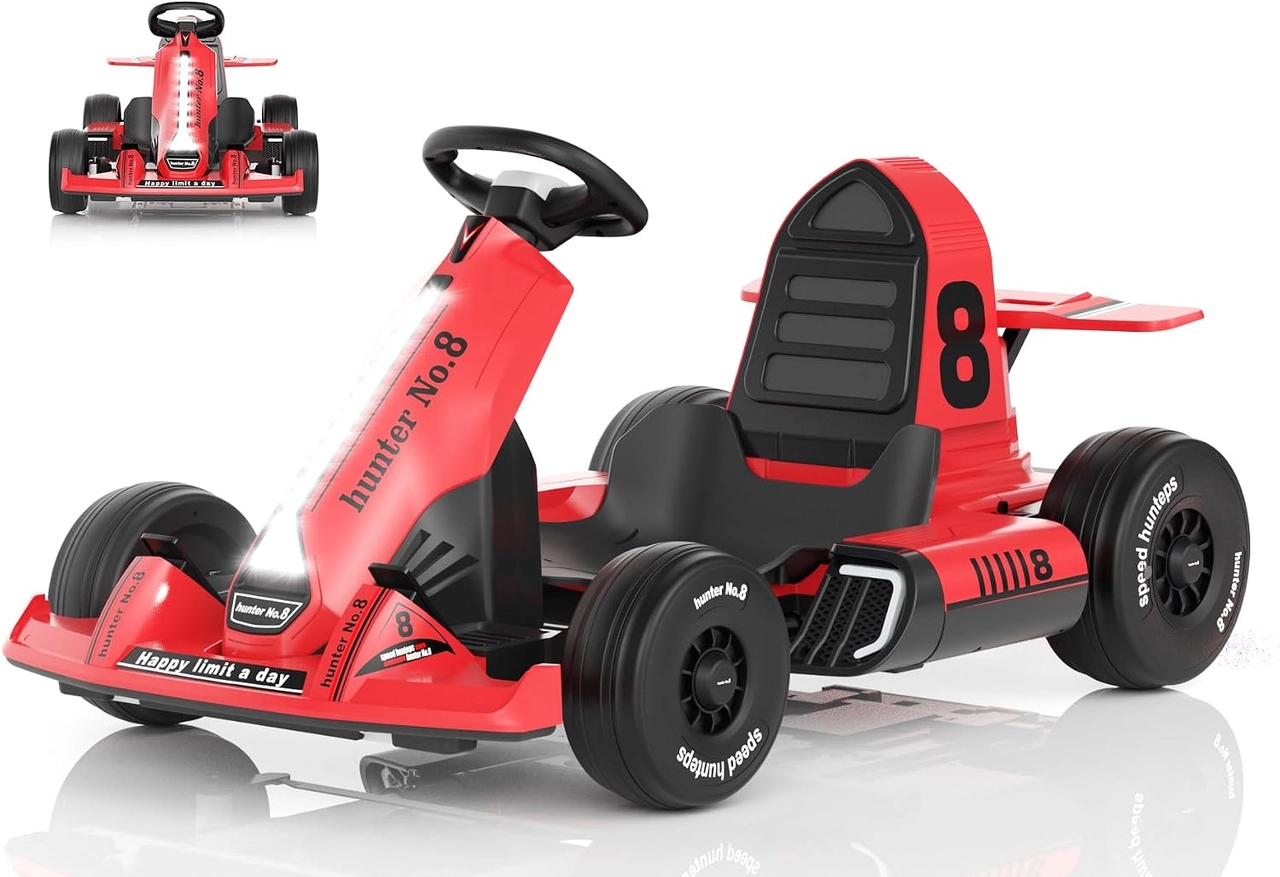
The Black 12V and Red 24V XJD pages identify separate battery-powered products. Their original battery and charger requirements must stay with the correct model. Similar plugs or a shared brand do not establish interchangeability. No universal charging time, indicator color, battery chemistry or deep-discharge threshold is supplied here. Obtain the delivered battery-care instructions before planning the charging routine.
Prepare the next outing from a fresh inspection
An adult should manage approved charging and storage separately from the child’s play. Inspect the battery equipment and the kart through the prescribed care routine, then recheck seating, belt, wheels and controls before another session. Stop use for damage, unusual heat or other warning conditions and follow the manufacturer’s service guidance. Do not bypass a fuse, alter a connector or fit a higher-voltage battery to prolong play.
Model details relevant to this task
These actual XJD voltage-specific pages make the care question identifiable without promising a remaining run time. Published approximate play-time claims are not a countdown for an individual outing. Load, conditions and equipment state do not justify guessing a charging procedure or continuing after an uncertain response. The linked model details are available for XJD Electric Go Kart for Kids – Black 12V, XJD Electric Go Kart for Kids – Red 24V.
Quick checklist
- Read actual warning guidance.
- Keep a nearby planned finish.
- Power down as instructed.
- Match original charging equipment exactly.
- Inspect again before the next session.
Common questions
Does a light prove a specific charge percentage?
Not without the exact model’s documented display meaning.
Can a stronger charger shorten the wait?
Do not substitute charging equipment. Use only the original or explicitly approved compatible arrangement.
Related collections
The 12V battery-powered kart options and 24V battery-powered kart options provide further model details. Check the exact selected configuration when planning fit, handling and care.
Before the next outing
Treat kids go kart battery running low as part of a planned finish and adult care routine. Exact equipment guidance and dependable controls matter more than completing one extra lap or guessing a charging shortcut.