


Kids Go Kart Grass vs Pavement: Check the Permitted Surface
Kids go kart grass vs pavement is not a choice that voltage alone can settle. Grass may hide uneven ground, and paved areas can contain slopes, debris or traffic. Read the exact vehicle's permitted-use instructions, then inspect the real practice area. A surface name is less useful than knowing whether the whole route is suitable for this kart and rider.
Start kids go kart grass vs pavement with the manual
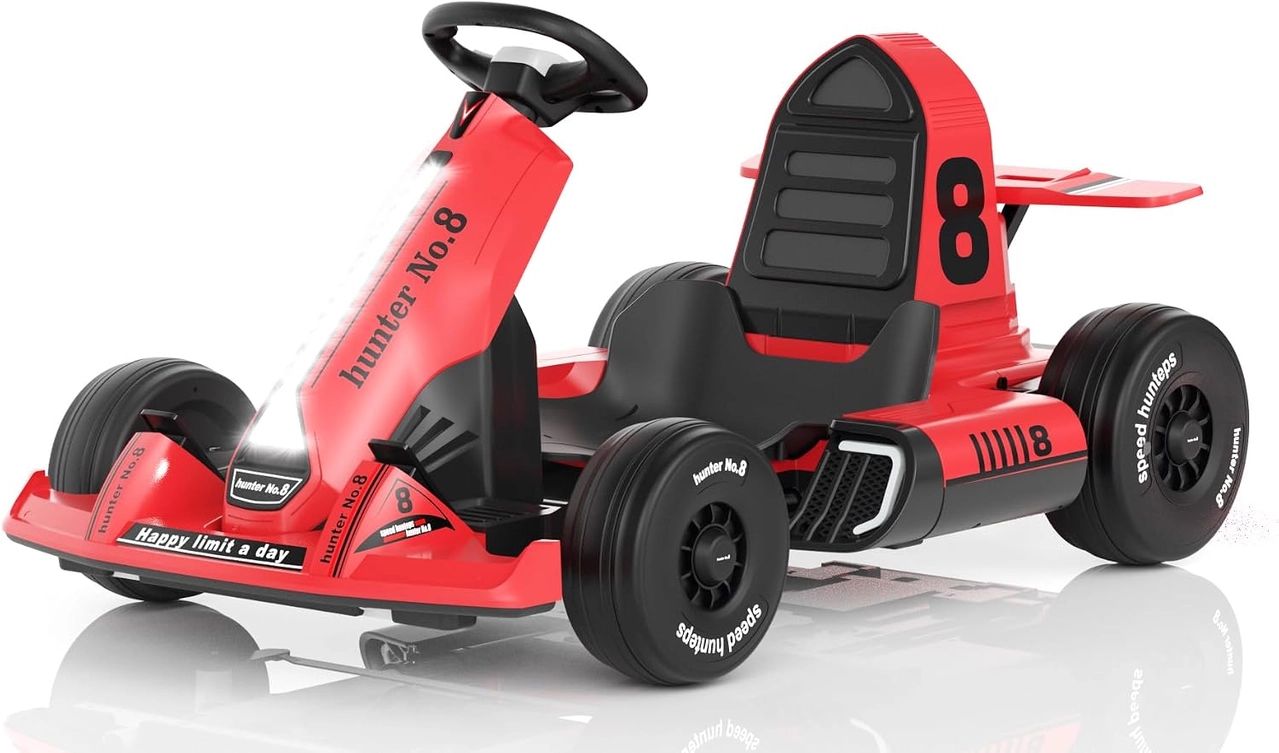
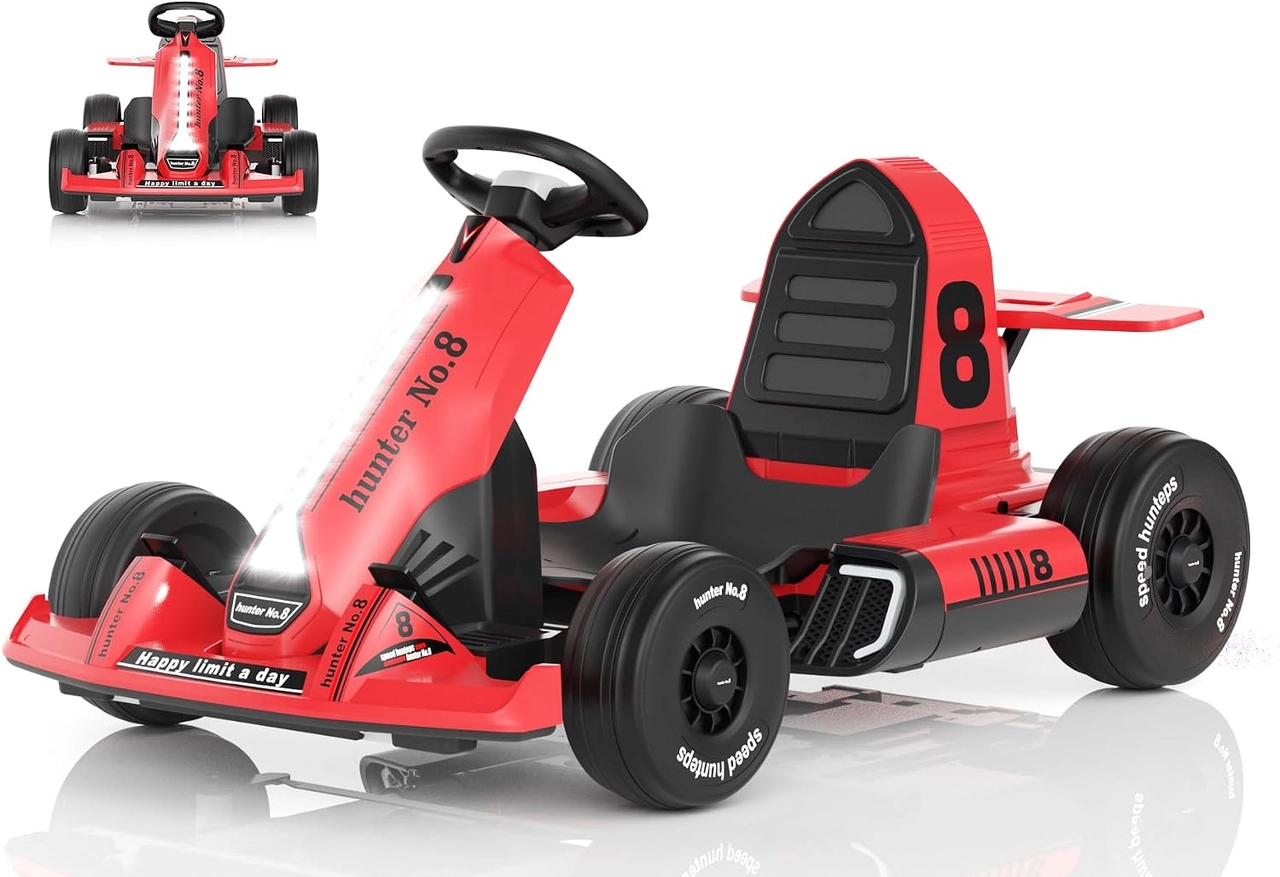
The Red 12V and Red 24V XJD listings describe ride-on karts with PP+PA wheels and parental remote functions. Those details do not establish permission for every lawn, path or driveway. Ask for specific surface guidance if the manual is missing. Marketing descriptions of outdoor use should not replace explicit restrictions for the actual vehicle.
Inspect grass for hidden changes
Walk the entire area before any permitted use and look for holes, soft patches, wet sections and objects obscured by growth. A short, apparently level lawn can still change from firm to soft ground. Do not use the child as a traction test. If the model's instructions do not clearly permit the surface or conditions remain uncertain, select a different approved area.
Inspect pavement beyond its smooth appearance
Check joints, loose gravel, puddles, steep sections and access points where other people or vehicles may enter. Use only appropriate traffic-free space with a clear stopping area. A driveway is not automatically suitable because the kart is sold for outdoor play. Keep the route broad and predictable, and stop when its condition changes.
Keep electrical configuration separate from terrain judgment
The two linked Red examples are different voltage configurations. Higher voltage does not certify grip, water resistance or safe operation on a particular gradient. Confirm rider fit, belt setup and actual controls independently. Start with a short supervised session only after the route and model requirements are clear, and pause for wheel slip, difficulty moving or unusual behavior.
Model details relevant to this task
Both Red XJD examples list an adjustable body, wrap-around seating, a belt and parent/manual control functions. These are relevant setup details, not a surface rating. The exact model instructions and the actual ground inspection should determine where the vehicle is used. The linked model details are available for XJD Electric Go Kart for Kids – Red 12V, XJD Electric Go Kart for Kids – Red 24V.
Quick checklist
- Read explicit surface restrictions.
- Walk the complete route.
- Check moisture, slopes and hidden holes.
- Keep traffic and entry points clear.
- Stop when vehicle behavior changes.
Common questions
Does 24V mean the kart can handle grass?
Not by itself. Electrical voltage does not establish terrain approval or traction. Use the model's documented conditions and inspect the actual area.
Is all pavement suitable?
No. Debris, water, gradients, joints and traffic can make a paved area inappropriate. Assess the full route, not just its surface label.
Related collections
The 12V ride-on kart details and 24V ride-on kart details and children's kart collection provide further model details. Check the exact selected configuration when planning fit, handling and care.
Before the next outing
For kids go kart grass vs pavement, choose documented permitted use and predictable conditions over a voltage-based guess. Inspect the route on foot and leave doubtful surfaces out of the child's practice plan.