


Kids Go Kart in Hot Weather: Reassess the Child, Equipment and Timing
Using a kids go kart in hot weather needs a fresh decision even when yesterday’s route was suitable. The child’s comfort, exposed contact surfaces and the actual equipment’s temperature guidance all matter. A charged vehicle and a free afternoon do not create a requirement to drive. Begin with the current conditions and consider a cooler suitable time or another activity before organizing the rider and kart.
Check kids go kart in hot weather against separate limits
Read the actual vehicle, battery and charger guidance for their permitted operating, storage and charging conditions. These are different tasks and may have different requirements. Do not invent a universal outdoor temperature cutoff from another toy or assume that an operating limit also approves immediate charging. Keep an uncertain limit open for confirmation. Local heat advisories and conditions for the child remain additional reasons to change the plan, even when an equipment document supplies a number.
Review the real place and exposed contact areas
A shaded route can change as the sun moves, and an uncovered parked kart can have hot surfaces before a session starts. Keep the child away from hot equipment while an adult follows appropriate handling and assessment guidance. Do not use the child’s seated reaction as a temperature test. Avoid cooling the vehicle by spraying water into controls or electrical areas, and do not add unapproved cushions, fabric canopies or wraps that interfere with restraint, controls or the model’s normal ventilation.
Make breaks and the decision to finish easy
Pediatric hot-weather guidance supports limiting unsuitable outdoor activity and allowing rest, cooling and hydration. Plan a comfortable place away from the vehicle where the child can take a break with the responsible adult. Keep drinks out of the footwell and control area. Do not turn a full battery or a promised number of laps into a target. If the child feels unwell, stop the activity and seek appropriate medical help according to the situation rather than treating another lap as a way to assess recovery.
End the session without improvising electrical care
Follow shutdown and the actual post-use cooling instructions, inspecting for unusual heat, smell or damage. A battery or charger behaving abnormally needs the manufacturer’s fault guidance, not a guessed waiting period. Manage any later charging as its own adult task in the approved conditions with the exact equipment. If the necessary environment cannot be provided, leave charging and riding postponed. Before the next attempt, recheck conditions and readiness rather than assuming that moving the kart into shade completed every requirement.
Model details relevant to this task
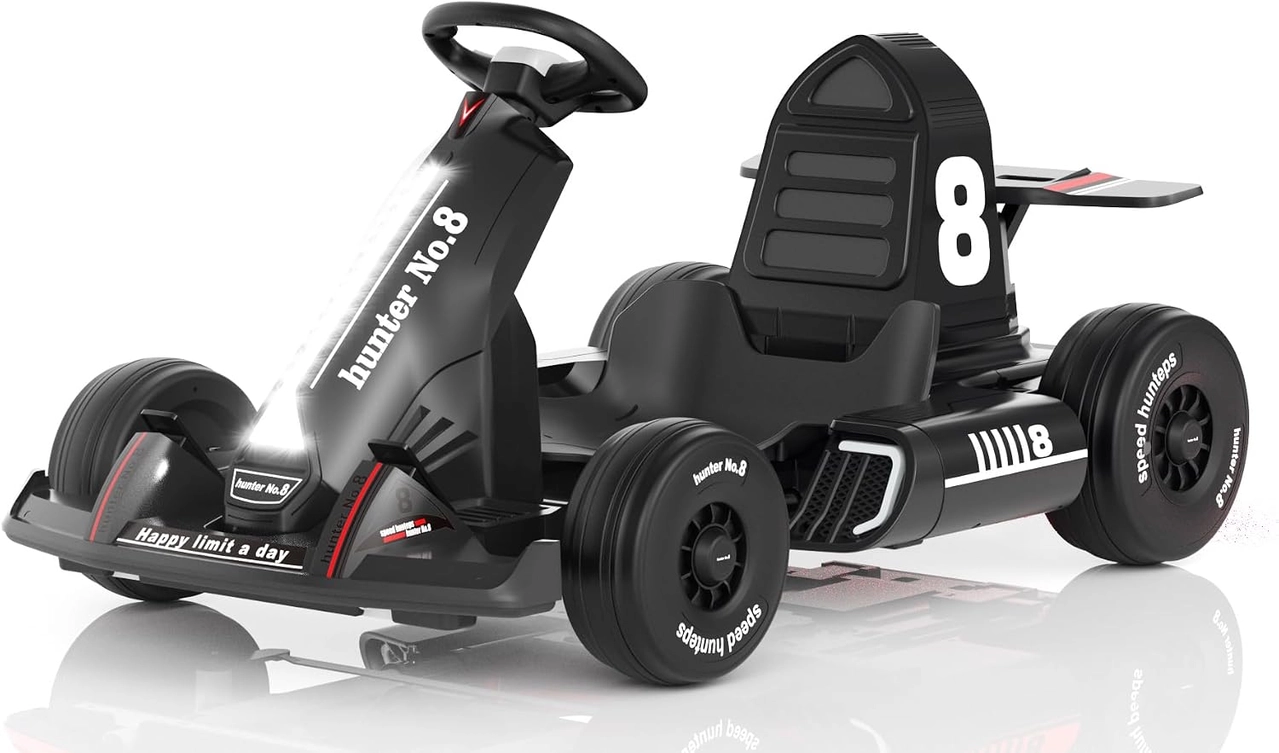
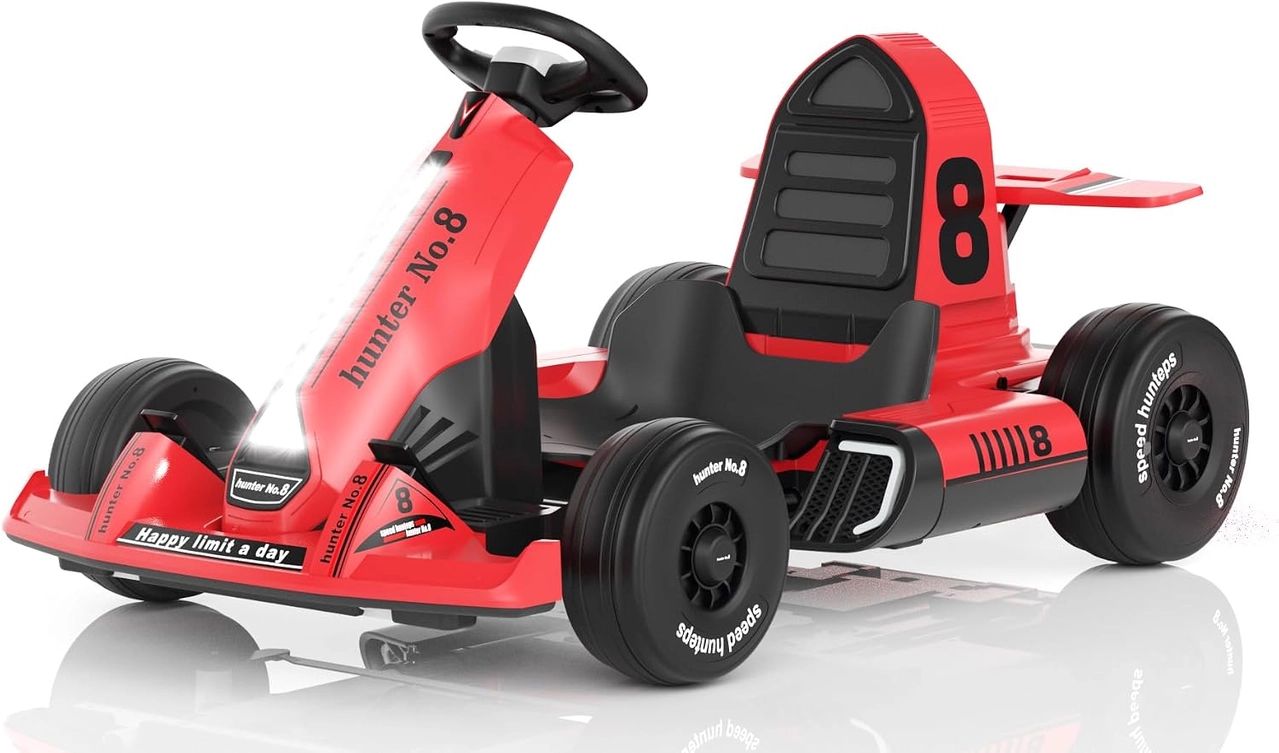
The Black and Red 12V XJD listings identify actual electrical configurations and their own catalog photographs. Their shared voltage and battery-capacity labels do not specify an outdoor temperature limit, cooling interval or heat resistance for rider contact surfaces. This article supplies no medical temperature threshold and does not infer battery chemistry, charging permission or a hot-weather endurance rating from those product names. The linked model details are available for XJD Electric Go Kart for Kids – Black 12V, XJD Electric Go Kart for Kids – Red 12V.
Quick checklist
- Read distinct operating and charging limits.
- Assess current heat and exposed surfaces.
- Keep the child away from hot equipment.
- Allow breaks and an early finish.
- Treat later charging as a separate task.
Common questions
Does a full battery mean the session should last longer?
No. The child, conditions and permitted equipment use decide whether a session should happen or finish.
Can water be sprayed on the kart to cool it?
Do not improvise water cooling around controls or electrical equipment; follow the exact handling and care guidance.
Does moving into shade settle every heat question?
No. Reassess the child, equipment condition and all relevant operating and charging requirements.
Related collections
The XJD hot-weather equipment identities and 12V kart configuration information provide further model details. Check the exact selected configuration when planning fit, handling and care.
Before the next outing
Plan kids go kart in hot weather around a suitable opportunity rather than a fixed driving promise. Clear equipment limits, attention to the child and willingness to postpone help the family make an appropriate decision before heat becomes part of an improvised riding or charging routine.