


Kids Go Kart Thunderstorm Plan: Shelter People Before Recovering the Toy
A kids go kart thunderstorm plan concerns where people go when thunder is heard, not whether the bodywork can keep a battery dry. Choose the shelter and the adult response before outdoor play begins. When thunder interrupts the session, end the activity and move people promptly to appropriate shelter. Do not spend that time fitting a cover, finding a charger or trying to save the afternoon’s driving plan.
Prepare the kids go kart thunderstorm decision in advance
Check the weather and identify an accessible substantial building before bringing the vehicle out. The National Weather Service says no place outside is safe during a thunderstorm. Its recommended shelter includes a substantial building with electricity or plumbing, or an enclosed metal-topped vehicle with windows closed. A porch, open shelter or the kart itself is not the equivalent. Avoid a play location where the family has no workable shelter plan.
End the activity when thunder is heard
Use the kart’s actual stopping procedure and take the child to shelter promptly. Keep the instructions simple and do not require another circuit to reach a neat finish. Adults should prioritize people over the toy. If attending to the vehicle would delay shelter, leave equipment recovery for later. A parent controller is not a weather-protection device, and a child should not be sent back outside for something left in the seat.
Make the sheltered pause a real pause
NWS guidance calls for staying in safe shelter for at least thirty minutes after the last thunder. Do not restart the waiting period from the first clap while later thunder continues. Keep children away from the temptation to stand on a porch and watch beside the kart. Follow the appropriate indoor lightning precautions. A short gap in rain, brighter sky or another family resuming play does not replace the thunder-based waiting guidance.
Assess the equipment separately after the weather
When conditions permit adults to return, consider any water exposure through the exact vehicle instructions before movement or charging. Do not assume that waiting out lightning also establishes electrical readiness. Wet equipment or uncertain ingress needs the prescribed assessment and support, without repeated power-on tests. The play surface and surrounding route also need a new inspection. There is no need to recover the lost session that day; make the next outing a fresh decision.
Model details relevant to this task
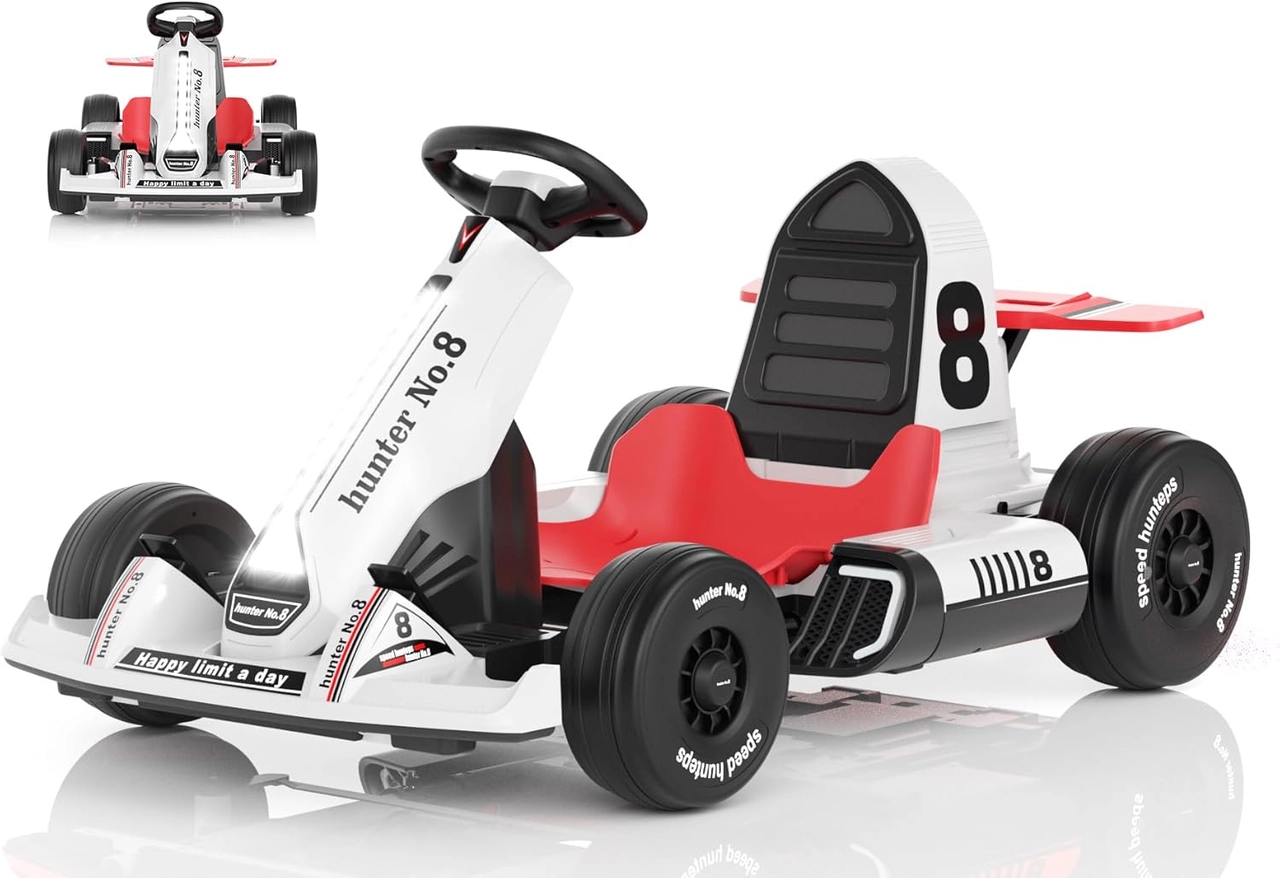
The White 24V XJD kart is a real catalog configuration with an inspected original image. Neither the photograph nor its voltage label establishes lightning protection, an enclosure suitable for shelter or a water-resistance rating. This guide distinguishes a public weather response from the model-specific instructions needed for equipment affected by moisture. The linked model details are available for XJD Electric Go Kart for Kids – White 24V.
Quick checklist
- Identify suitable shelter first.
- End play when thunder is heard.
- Prioritize people over toy recovery.
- Observe the last-thunder waiting period.
- Assess exposed equipment before reuse.
Common questions
Does a covered patio count as the planned shelter?
An open porch or patio is not the substantial enclosed shelter described by NWS guidance.
Does the thirty-minute wait begin with the first thunder?
It runs after the last thunder; further thunder means the relevant waiting point changes.
Does the weather wait also clear a wet kart for charging?
No. Lightning precautions and the vehicle’s moisture assessment are separate decisions.
Related collections
The 24V kart equipment identities and XJD model-specific care context provide further model details. Check the exact selected configuration when planning fit, handling and care.
Before the next outing
A kids go kart thunderstorm plan works when it has a known shelter and no pressure to rescue the session. Follow the last-thunder interval for people, then assess the equipment independently.