


Child Reluctant to Drive a Go Kart: Offer a Choice Before a Lesson
A child reluctant to drive a go kart does not need a more enthusiastic audience. First find out whether the concern is the sound, the seating position, unfamiliar movement or simply not wanting this activity today. A kart can be correctly assembled while the child remains unwilling. Treat willingness as its own question, with a real option to stop before any lesson begins.
Listen to a child reluctant to drive a go kart while it stays parked
Move the conversation away from the controls and waiting spectators. Ask a short open question such as what feels uncomfortable, then allow the answer to be ordinary: the seat feels strange, the sound is unwelcome or another game sounds better. Avoid promising that a remote makes every experience worry-free. The adult needs to understand the child’s concern, not persuade them to repeat a reassuring phrase.
Check discomfort separately from willingness
An awkward restraint, difficult pedal reach or unfamiliar control may explain hesitation and needs a proper equipment assessment. Have an adult use the exact instructions for fit and permitted adjustment, with power managed correctly. Do not loosen a required restraint or change a control to make the child agree. Correcting an equipment problem does not oblige the child to try again; ask afresh after the issue is resolved.
Offer small choices that do not secretly require driving
Possible choices include looking at the parked kart with an adult, choosing protective equipment for another day or putting the activity away. These are invitations rather than a sequence the child must complete. Do not seat a reluctant child and then start movement through the parent remote as a surprise. If the child volunteers to sit, keep that activity within the model’s stationary preparation guidance and stop when they ask.
Leave another day free of a performance target
Tell other adults that there is no promised first lap for photographs, guests or a birthday deadline. If the child later wants a lesson, make a fresh equipment and area check before using the ordinary model-specific introduction. Avoid comparisons with a sibling and do not prescribe a number of days for confidence to appear. Persistent distress is a reason to choose something else and seek appropriate individual advice if the family needs it, not to intensify the driving task.
Model details relevant to this task
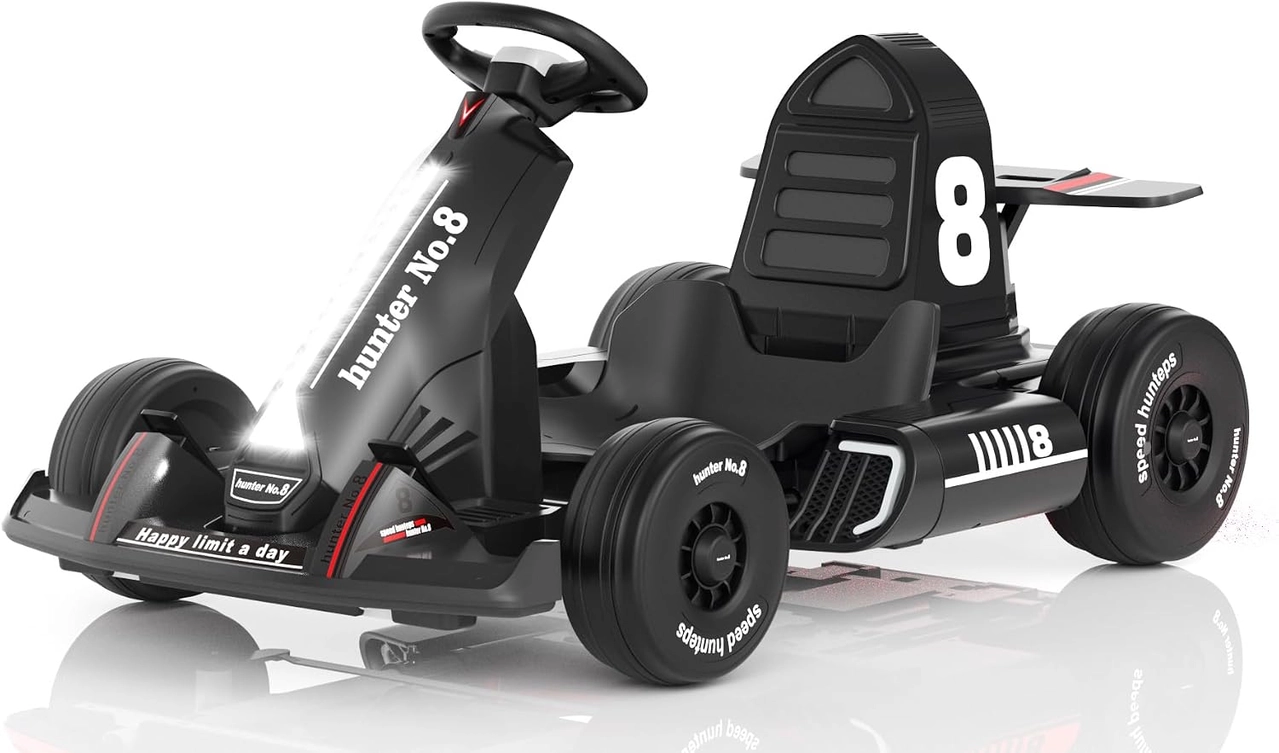
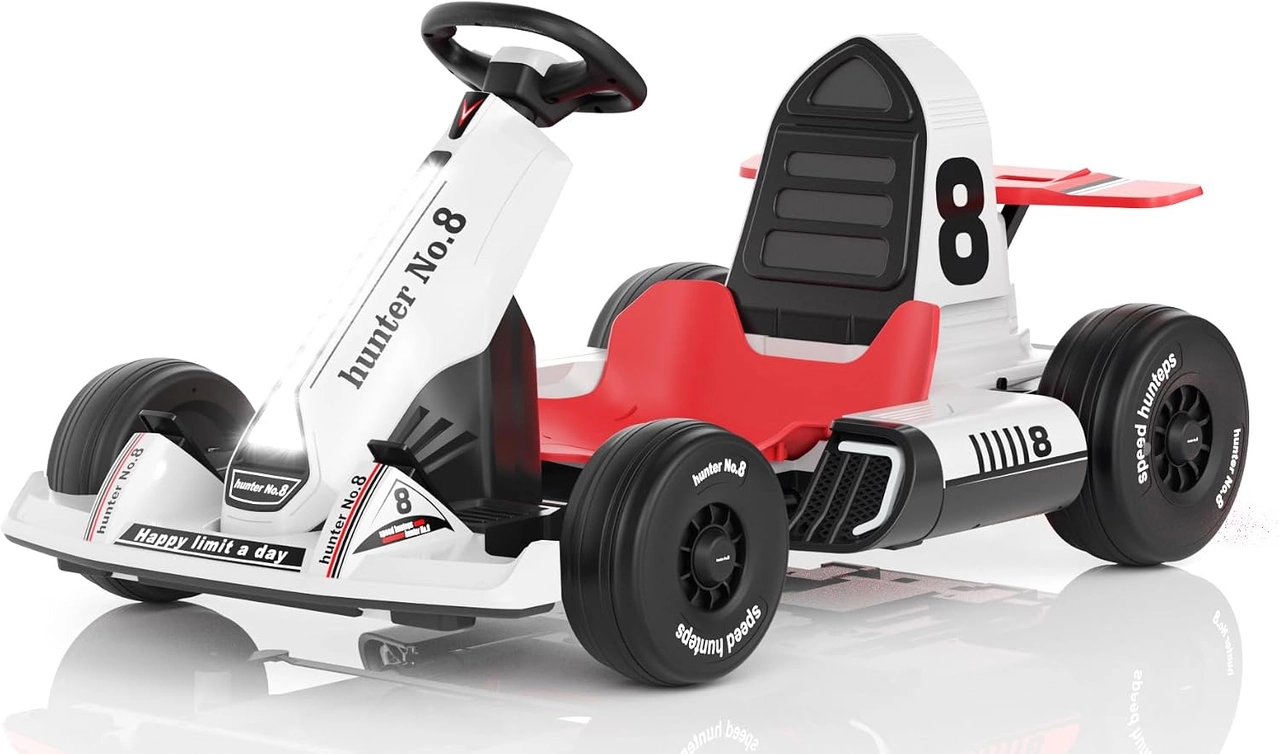
The Black and White 12V XJD pages describe real kart options with parent-remote equipment. That feature does not replace the child’s agreement to participate or establish a suitable emotional pace. Keep actual fit and controls specific to the delivered model, even when two finishes look closely related. The linked model details are available for XJD Electric Go Kart for Kids – Black 12V, XJD Electric Go Kart for Kids – White 12V.
Quick checklist
- Ask about the actual concern.
- Keep the conversation pressure-free.
- Resolve equipment discomfort properly.
- Offer an option without movement.
- Let another day remain optional.
Common questions
Should the parent remote provide a surprise first lap?
No. Do not create movement for a child who has not agreed to participate.
Does refusing a kart mean choosing the wrong voltage?
Not necessarily. Listen to the concern and assess fit without assigning a cause from the voltage label.
Is there a deadline for trying a gifted kart?
No. An adult’s purchase or a planned photograph does not require the child to drive.
Related collections
The children’s kart seating and equipment and 12V model configurations provide further model details. Check the exact selected configuration when planning fit, handling and care.
Before the next outing
Give a child reluctant to drive a go kart room to describe the concern and decline the activity. A fitting vehicle, respectful choices and an optional later invitation are more useful than turning a first drive into a performance owed to the family.