


Kids Go Kart Battery Recycling: Identify the Battery Before Arranging Collection
Kids go kart battery recycling begins before a battery is carried anywhere. Establish what equipment is involved, whether the battery is intended to be user-removable and which local service accepts it in its present condition. A voltage label is not a chemistry label. The practical aim is an agreed collection or service route, without turning the end of a toy’s useful life into an improvised electrical job.
Identify kids go kart battery recycling needs without dismantling
Use the actual product instructions and accessible battery information to identify the battery type. Ask the manufacturer or competent service provider if the necessary marking cannot be read normally. EPA guidance distinguishes batteries by their labeling and chemistry, not by shape or label color. Do not infer lead-acid or lithium chemistry from a 12V or 24V kart title, and do not open a sealed pack to find out.
Ask the collector about the exact item and condition
Contact the local household hazardous-waste service, an appropriate battery recycler or the product’s service provider before a journey. Explain whether the battery is still inside the toy and report any known damage. Ask whether that particular type, size and condition is accepted, whether an appointment is needed and what instructions apply. A retailer’s small-battery collection box is not automatic permission to deposit a ride-on battery or a complete kart.
Keep removal and handling within the approved procedure
Some batteries are not intended for consumer removal. If the actual instructions do not establish a user procedure, arrange qualified help or ask about collection of the whole product. Do not cut wires, open the case or attach improvised leads. EPA warns that used batteries can retain energy even when they appear discharged. Do not attempt to empty one by running the kart until it fails, shorting terminals or adding a makeshift electrical load.
Make the handover plan before moving the equipment
Follow the identified manufacturer and accepting collector’s instructions for any permitted preparation, temporary storage and handover. Keep children away from the retired equipment. A damaged, swollen, leaking, unusually hot or smoking battery needs condition-specific guidance; routine collection directions cannot be assumed to cover it. Do not put rechargeable batteries in household rubbish or municipal mixed recycling. Outside the United States, obtain the appropriate local authority’s instructions rather than assuming another country’s collection arrangements apply.
Model details relevant to this task
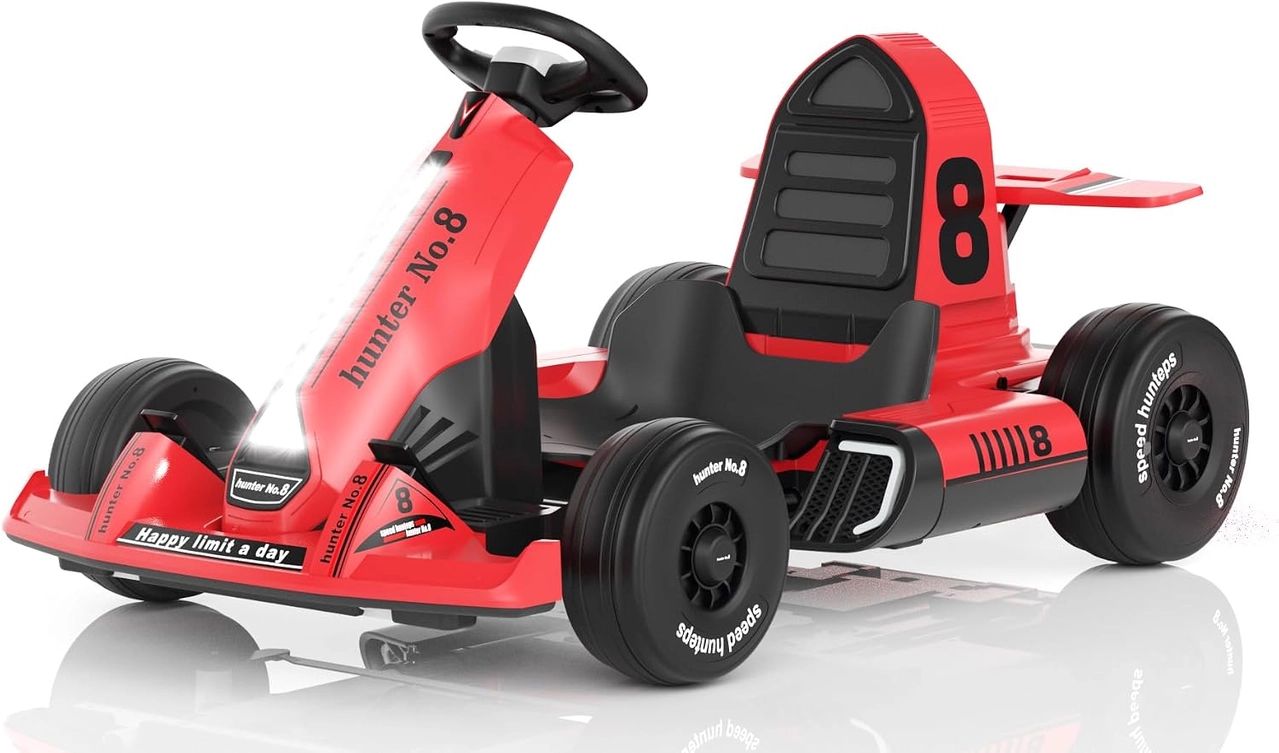
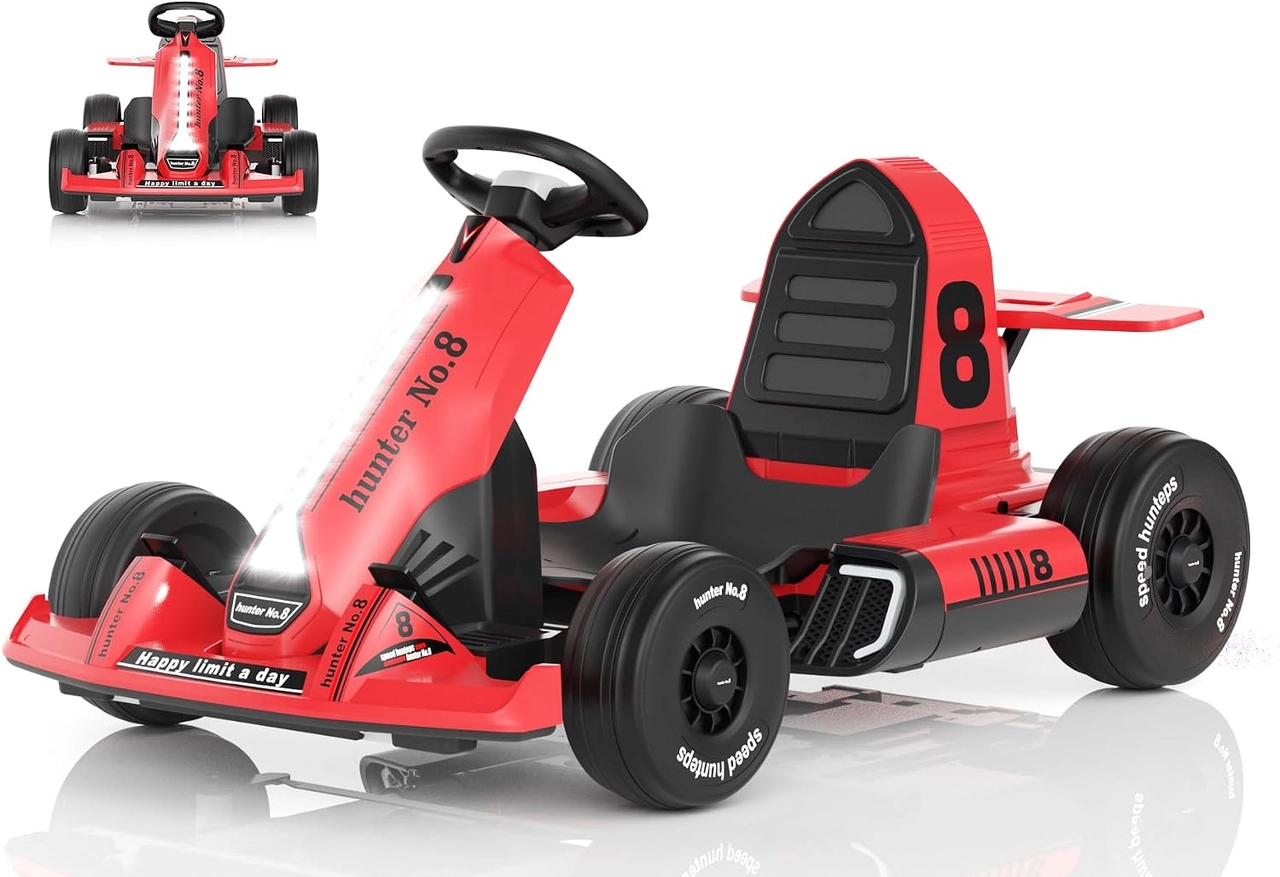
The Red XJD 12V and Red XJD 24V listings supply real vehicle identities for a support conversation. Their voltage descriptions do not establish battery chemistry, consumer-removal permission or a recycler’s acceptance. Have those unanswered details confirmed for the actual delivered equipment before planning a handover. The linked model details are available for XJD Electric Go Kart for Kids – Red 12V, XJD Electric Go Kart for Kids – Red 24V.
Quick checklist
- Read actual battery identification.
- Confirm user-removal permission.
- Describe condition to the collector.
- Obtain an accepted handover route.
- Keep rechargeable batteries out of mixed bins.
Common questions
Can voltage identify the battery chemistry?
No. Use the actual battery marking and model documentation or obtain manufacturer confirmation.
Should the battery be removed for every collection?
No. Establish whether removal is permitted and what the accepting service requires before doing any work.
Can a damaged battery use an ordinary collection box?
Do not assume acceptance. Report its condition and obtain specific guidance before moving or depositing it.
Related collections
The 12V kart identities and 24V kart identities provide further model details. Check the exact selected configuration when planning fit, handling and care.
Before the next outing
Organize kids go kart battery recycling as an identified handover with an accepting service. Chemistry, condition and approved access decide the plan; appearance and voltage alone cannot do that work.